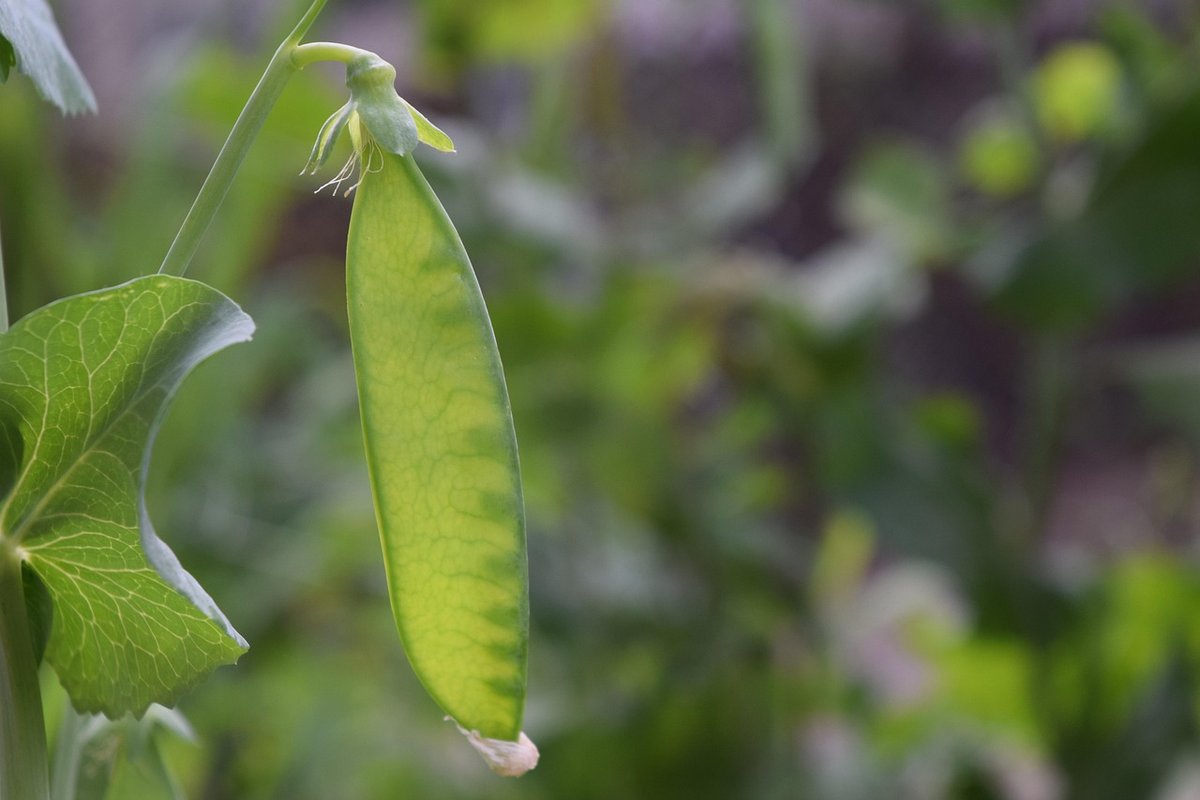
Unlock Fresh Flavor: The Nutritional Benefits of Homegrown Sugar Snap Peas
Imagine biting into a crisp, sweet pod, bursting with garden-fresh flavor. That's the undeniable joy of sugar snap peas, and even better, the profound satisfaction that comes from growing them yourself. These delightful legumes are more than just a tasty snack; they are a nutritional powerhouse, easily cultivated in your own backyard, raised bed, or even a container garden. In a world increasingly conscious of where our food comes from and its impact on our health, learning to grow sugar snap peas offers a rewarding journey into fresh, vibrant eating.The Sweet Crunch: Unpacking Sugar Snap Pea Nutrition
Sugar snap peas aren't just delicious; they're packed with essential nutrients that contribute to overall well-being. These edible-podded peas stand out as a low-calorie, high-fiber champion, making them an ideal choice for healthy snacking and mindful eating. Let's delve into their impressive nutritional profile:- Vitamin C Powerhouse: Just one cup of sugar snap peas provides a significant portion of your daily recommended Vitamin C intake. This potent antioxidant is crucial for immune system function, skin health through collagen production, and protecting your cells from damage caused by free radicals.
- Bone-Boosting Vitamin K: Essential for blood clotting and maintaining strong bones, Vitamin K is another key nutrient found abundantly in sugar snap peas. Regular consumption can support long-term bone density and health.
- Folate for Vitality: Also known as Vitamin B9, folate plays a critical role in cell growth and development, making it especially important for pregnant women and for general energy production and red blood cell formation.
- Fiber-Rich for Digestive Health: With a substantial amount of dietary fiber per serving, sugar snap peas are excellent for promoting healthy digestion, preventing constipation, and contributing to a feeling of fullness, which can be beneficial for weight management. Their high fiber content also helps regulate blood sugar levels.
- Low in Calories: At only around 35 calories per cup, sugar snap peas are a guilt-free snack that can be enjoyed generously without compromising dietary goals. They offer satisfying crunch and sweetness without the caloric density of many processed alternatives.
- Beyond the Basics: These green gems also offer smaller amounts of other beneficial nutrients, including iron, manganese, and several B vitamins, all contributing to a well-rounded and healthy diet.
From Garden to Table: The Joys of Growing Your Own
There’s a unique satisfaction in preparing a meal with ingredients you’ve nurtured from seed. Growing sugar snap peas is one of the most accessible and rewarding entry points into home gardening, offering quick results and a continuous harvest. Whether you're a seasoned gardener or just starting your green-thumb journey, these peas are incredibly forgiving and productive. The appeal extends beyond nutrition; it’s about connection—connection to nature, to your food, and to a more self-reliant lifestyle. When you decide to lets plant some sugar snap peas, you're not just growing a vegetable; you're cultivating a healthier habit and a delicious new experience.Getting Started: Where and How to Begin
Sugar snap peas thrive in specific conditions, but they're not overly demanding. The first step is selecting a sunny location that receives at least 6-8 hours of direct sunlight daily. These peas also prefer cooler temperatures, making early spring or late summer the ideal planting times for a bountiful fall harvest. Well-draining soil, rich in organic matter, is crucial for strong growth. Before planting, consider amending your soil with compost to improve its structure and nutrient content. A key tip to boost germination is to soak your sugar snap pea seeds overnight before planting. Sow them about 1 inch deep and space them 2-3 inches apart. For a detailed walkthrough on preparing your garden bed and sowing seeds, check out our guide on Planting Sugar Snap Peas: Your Simple Guide to Delicious Homegrown Harvests.Varieties and Versatility: Choosing Your Perfect Pods
The world of sugar snap peas offers delightful diversity, allowing you to choose varieties that best suit your taste, garden space, and climate. Understanding these differences can enhance your gardening experience and culinary creations. Some popular varieties include:- Super Sugar Snap: As its name suggests, this is a highly popular and robust choice. Known for producing large, exceptionally juicy pods and offering a high yield, 'Super Sugar Snap' is a fantastic option for beginners and seasoned gardeners alike who desire a generous harvest.
- Sugar Ann: If patience isn't your strongest virtue, 'Sugar Ann' might be your perfect match. This variety is an early producer, with pods often ready for harvest in as little as 55 days. Its sweet flavor and tender texture make it a delightful addition to any garden.
- Purple Pods: For those looking to add a splash of color to their garden and plate, 'Purple Pods' offer an exciting alternative. These peas are just as sweet and crunchy as their green counterparts but boast vibrant purple pods, making them a visually stunning addition to salads and vegetable platters.
- Other noteworthy varieties include 'Cascadia' (compact, disease-resistant) and 'Sugar Sprint' (stringless, extra-sweet).
Cultivating Success: Essential Tips for a Bountiful Harvest
To maximize your sugar snap pea yield and ensure healthy, productive plants, a few key practices will make all the difference.Soil Perfection: Beyond just well-draining, aim for soil with a neutral pH (6.0-7.0). Incorporating plenty of organic compost not only improves drainage but also enriches the soil with vital nutrients, creating an ideal environment for pea roots.
Consistent Hydration: Regular and consistent watering is paramount, especially during flowering and pod development. Aim for about 1 inch of water per week, either from rainfall or irrigation. Avoid letting the soil dry out completely, as this can stress the plants and reduce yield. Watering in the morning helps prevent fungal issues.
Nutrient Boost: While peas are legumes and can fix nitrogen from the air, a balanced, organic fertilizer or a side-dressing of compost can give them an extra boost, particularly in less fertile soils. Avoid high-nitrogen fertilizers, which can promote leafy growth at the expense of pod production.
Support Systems: Sugar snap peas are natural climbers. Providing a support structure like a trellis, netting, or even sturdy branches encourages vertical growth, which has several benefits: it improves air circulation (reducing disease risk), keeps pods clean, and makes harvesting much easier. Depending on your chosen variety, supports can range from 3 to 6 feet tall.
Pest and Disease Watch: While generally robust, keep an eye out for common pests like aphids or powdery mildew. Early detection and organic solutions, such as neem oil or insecticidal soap, can usually manage these issues effectively without harming beneficial insects or your harvest.
Harvesting for Abundance: Harvest sugar snap peas when the pods are plump and firm, but before the peas inside become too large. Picking frequently encourages the plant to produce more pods, extending your harvest season for weeks. Simply snap or snip the pods from the vine carefully to avoid damaging the plant. To master these techniques and ensure your plants thrive, refer to our Sugar Snap Pea Success: Essential Planting & Care Tips for Home Gardens.
