Planting Sugar Snap Peas: Your Simple Guide to Delicious Homegrown Harvests
There's nothing quite as satisfying as stepping into your garden and harvesting fresh, crisp vegetables you've grown yourself. Among the easiest and most rewarding crops for any home gardener, from beginner to seasoned expert, are sugar snap peas. Their sweet flavor, satisfying crunch, and edible pods make them a delightful treat straight from the vine or as a versatile ingredient in countless dishes. If you're ready to experience the joy of homegrown produce, then lets plant some sugar snap peas!
This comprehensive guide will walk you through every step, ensuring you cultivate a thriving patch of these delightful legumes, leading to bountiful harvests and delicious meals. We'll cover everything from understanding their unique needs to preparing your garden and nurturing your plants for success.
Why Grow Sugar Snap Peas? The Allure of Edible Pods
Sugar snap peas are a true marvel of the home garden. Unlike shelling peas, where only the peas inside are eaten, sugar snap peas boast a completely edible pod that is plump, crisp, and bursting with sweet flavor. This "edible-podded" characteristic means less waste and more deliciousness with every harvest. They're a fantastic choice for those looking to add fresh, vibrant produce to their diet.
These crunchy gems are not just tasty; they're also incredibly nutritious. Low in calories and high in fiber, they are an excellent source of essential vitamins like Vitamin C, Vitamin K, and folate. Their sweet profile makes them a popular snack, a delightful addition to salads, stir-fries, or simply steamed with a touch of butter. For a deeper dive into their health benefits, be sure to read our article on Unlock Fresh Flavor: The Nutritional Benefits of Homegrown Sugar Snap Peas.
Beyond their culinary appeal, sugar snap peas are remarkably beginner-friendly. They grow quickly, are relatively low-maintenance, and are incredibly productive, often yielding for weeks when harvested regularly. Their rapid growth makes them an encouraging first project for new gardeners, offering quick wins and delicious results.
Getting Started: Essential Preparations Before You Plant
Successful sugar snap pea cultivation begins long before the seeds hit the soil. Thoughtful preparation ensures your plants have the best possible start.
Choosing the Ideal Location
Sugar snap peas thrive in a sunny spot, requiring at least 6-8 hours of direct sunlight per day to produce a generous harvest. However, they are cool-season crops, meaning they prefer cooler temperatures. This makes early spring or late summer the ideal planting times, allowing them to mature before the intense heat of summer or the deep cold of winter sets in. Avoid locations that become waterlogged or overly hot, as these conditions can stress the plants and reduce yield.
Soil – The Foundation for Success
The right soil is crucial for healthy pea plants. Sugar snap peas prefer well-draining soil that is rich in organic matter. Heavy clay soils can impede root growth and lead to rot, while overly sandy soils may not retain enough moisture or nutrients. Before planting, dedicate time to preparing your garden bed:
- Clear the Area: Remove all weeds, rocks, and debris.
- Amend the Soil: Incorporate a generous amount of well-rotted compost, aged manure, or other organic matter into the top 6-12 inches of soil. This improves drainage, aeration, and nutrient content.
- Check pH: Sugar snap peas generally prefer a soil pH between 6.0 and 7.5 (slightly acidic to neutral). A simple soil test kit can help you determine your soil's pH and guide any necessary amendments, such as adding lime to raise pH or sulfur to lower it.
Selecting Your Sugar Snap Pea Variety
While all sugar snap peas offer delicious results, choosing the right variety can enhance your gardening experience:
- Super Sugar Snap: A popular and reliable choice known for its vigorous growth, high yields, and large, juicy pods. Excellent for first-time growers.
- Sugar Ann: An excellent early-producing bush variety that matures quickly (around 55 days). Ideal for smaller spaces or if you're eager for an early harvest. Its tender texture and sweet flavor are highly praised.
- Purple Pods: For a unique visual twist, this variety produces vibrant purple pods that are just as sweet and crunchy as their green counterparts. A fantastic way to add color to your garden and plate.
- Dwarf Grey Sugar: A heritage variety often grown as a snow pea, but if left to mature, it develops into a sweet snap pea. It's quite versatile.
- Sugar Magnolia: Known for its strong purple vines and pods, adding an ornamental touch to your garden.
Consider your garden size, desired harvest time, and aesthetic preferences when making your choice.
Vertical Support is Key
Most sugar snap pea varieties are vining plants that love to climb. Providing adequate vertical support is not optional; it's essential for a successful harvest. Trellises, netting, stakes, or even a simple fence offer several benefits:
- Increased Yield: Plants can grow taller, producing more pods.
- Improved Air Circulation: Reduces the risk of fungal diseases.
- Easier Harvesting: Keeps pods off the ground, making them cleaner and simpler to pick.
- Space Saving: Maximizes growing space in smaller gardens.
Install your chosen support system *before* planting your seeds to avoid disturbing delicate seedlings later. Ensure it's sturdy enough to handle the weight of mature, pod-laden vines.
The Planting Process: From Seed to Sprout
With your garden prepped and your variety chosen, it's time to get those seeds in the ground!
Pre-Soaking Seeds
To give your sugar snap peas a head start, it's highly recommended to soak the seeds overnight (8-12 hours) in room-temperature water before planting. This softens the seed coat, allowing water to penetrate more easily and significantly improving germination rates and speed. Do not soak for longer than 24 hours, as this can lead to rot.
Planting Depth and Spacing
Once soaked, plant your seeds about 1 inch deep in the prepared soil. Spacing is crucial for healthy plant development and air circulation. Aim to space seeds 2-3 inches apart. If planting in rows, space rows 18-24 inches apart. For bush varieties, closer spacing might be acceptable, but always check the specific recommendations on your seed packet.
If you're planting alongside a trellis, sow seeds in a line directly at the base of your support structure. You can plant them slightly closer here, about 1-2 inches apart, as some might not germinate, and competition can encourage stronger vertical growth.
Timing is Everything
As cool-season lovers, timing your planting is vital.
- Early Spring: Plant as soon as the soil can be worked in early spring, typically 4-6 weeks before the last expected frost date. Sugar snap peas can tolerate light frosts, but severe freezes can damage young plants.
- Late Summer/Early Fall: For a fall harvest, plant seeds in late summer, giving them enough time to mature before the first hard frost. This usually means planting about 8-10 weeks before your average first frost date.
Watering After Planting
Immediately after planting, give the seeded area a good, gentle watering. This helps settle the soil around the seeds and provides the initial moisture needed for germination. Keep the soil consistently moist but not waterlogged as the seeds sprout and young seedlings emerge.
Nurturing Your Sugar Snap Pea Plants
Once your sugar snap pea plants are established, consistent care will ensure a bountiful and delicious harvest. For even more detailed guidance on ongoing care, check out Sugar Snap Pea Success: Essential Planting & Care Tips for Home Gardens.
Consistent Watering
Peas need consistent moisture, especially during their flowering and pod-filling stages. Aim for about 1 inch of water per week, either from rainfall or irrigation. During dry spells or periods of rapid growth, you may need to water more frequently. Feel the soil; if the top inch or two feels dry, it's time to water. Avoid overhead watering late in the day, as wet foliage overnight can encourage fungal diseases. Drip irrigation or watering at the base of the plant is ideal.
Fertilization (If Needed)
If your soil was properly amended with organic matter before planting, additional fertilization might not be necessary. Peas are legumes and are known for their ability to fix nitrogen from the atmosphere, meaning they often don't require heavy nitrogen feeding. Too much nitrogen can encourage leafy growth at the expense of pod production.
If your plants show signs of nutrient deficiency (e.g., yellowing leaves, stunted growth), opt for a balanced, low-nitrogen fertilizer or a boost of compost tea. Always follow product instructions carefully.
Pest and Disease Management
While generally hardy, sugar snap peas can occasionally encounter pests and diseases. Common issues include aphids, pea weevils, and powdery mildew.
- Aphids: Blast them off with a strong stream of water or use insecticidal soap. Encourage beneficial insects like ladybugs.
- Powdery Mildew: Ensure good air circulation, avoid overhead watering, and consider mildew-resistant varieties. Organic fungicides can also be used if necessary.
Ongoing Support
As your sugar snap peas grow, gently guide their tendrils towards the trellis or netting. They are natural climbers but sometimes need a little encouragement to find their way, especially when young. Ensure the support structure remains secure as the plants gain height and weight.
Harvesting Your Delicious Reward
The moment you've been waiting for! Sugar snap peas are typically ready to harvest 60-70 days after planting, depending on the variety.
- When to Harvest: Look for pods that are plump, bright green, and firm to the touch. They should be about 2-3 inches long, but some varieties can grow larger. Don't wait until the peas inside are too large and bulging, as this can make the pods tough. Taste-testing is the best way to determine peak sweetness and crunch.
- How to Harvest: Gently snap the pods off the vine where they connect, taking care not to damage the plant. Using two hands can help – one to hold the vine, the other to snap the pea.
- Frequent Harvesting: This is key to a continuous yield! The more often you pick, the more the plant will produce. Harvesting every 1-2 days encourages the plant to set more flowers and pods. If you leave mature pods on the vine, the plant will think its reproductive cycle is complete and slow down production.
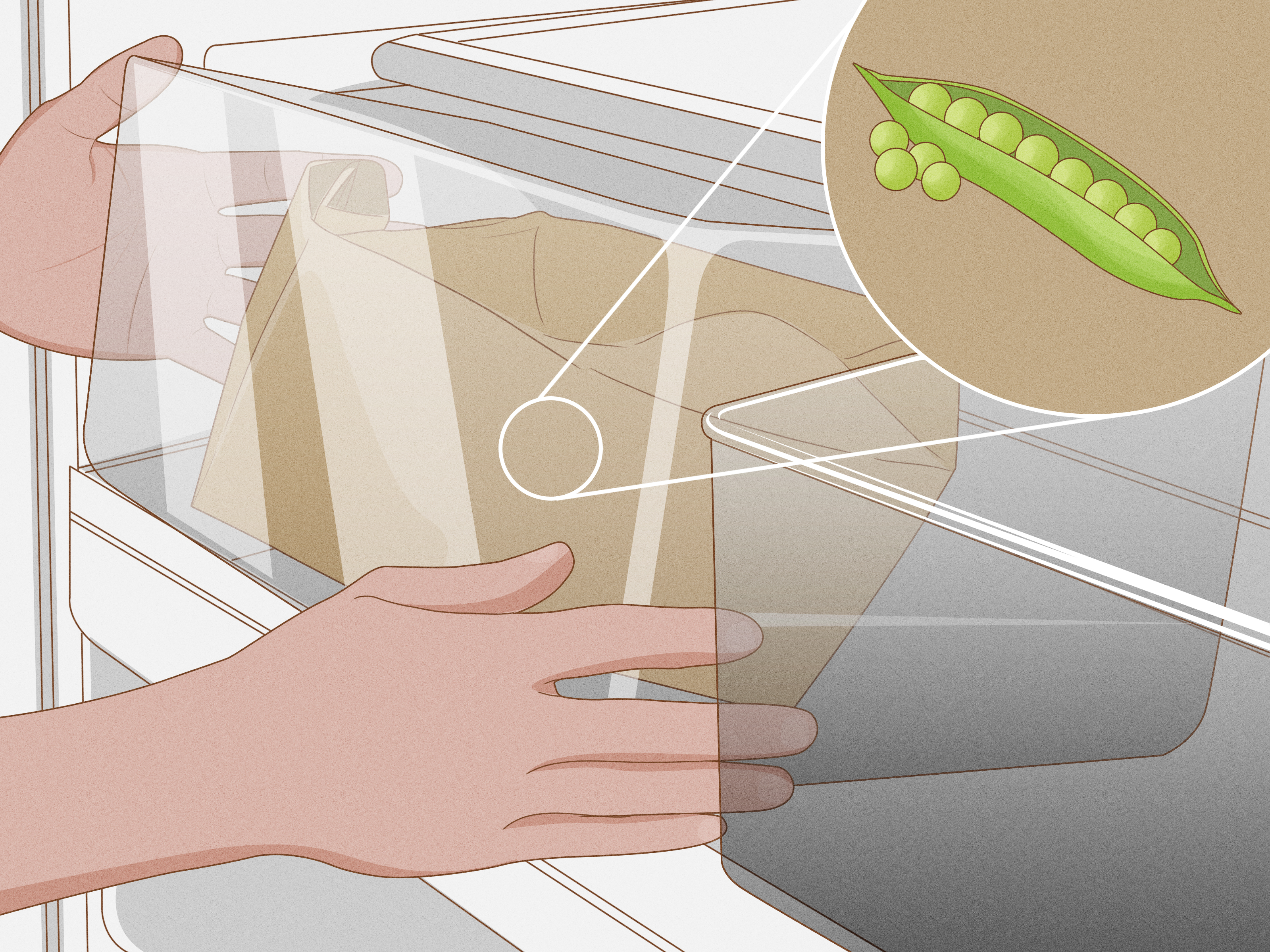
- Storage: Freshly harvested sugar snap peas are best eaten immediately. If you have too many, they can be stored unwashed in a perforated plastic bag in the refrigerator for up to a week. For longer storage, blanch and freeze them.
Growing your own sugar snap peas is an incredibly rewarding experience, offering both the satisfaction of a homegrown harvest and the delight of fresh, sweet flavor. From selecting the perfect spot in your garden to enjoying the crisp pods in your kitchen, every step is a simple pleasure. So, why wait? This season, lets plant some sugar snap peas and embark on a journey to delicious homegrown harvests!
