Imagine biting into a crisp, sweet pod, bursting with garden-fresh flavor – that's the unparalleled joy of homegrown sugar snap peas. Far more delicious than anything you'll find at the supermarket, these delightful legumes are incredibly rewarding to cultivate. Their edible pods offer a satisfying crunch, making them a versatile addition to salads, stir-fries, or simply enjoyed straight from the vine. If you've been considering adding a new, easy-to-grow vegetable to your garden, then lets plant some sugar snap peas! This comprehensive guide will walk you through everything you need for sugar snap pea success, from choosing the right spot to harvesting your bountiful crop.
Understanding the Magic of Sugar Snap Peas
Before we delve into the how-to, let's appreciate what makes sugar snap peas such a fantastic choice for any home garden.
What Makes Them Special?
Sugar snap peas are a unique type of edible-podded pea, meaning that unlike traditional shelling peas, you consume the entire pod. They are renowned for their plump, crisp texture and wonderfully sweet flavor. Belonging to the legume family (Fabaceae), they are cousins to beans and lentils, and share the characteristic of growing in pods. Typically, these vibrant green pods are harvested when they reach about three inches in length, though some robust varieties can extend up to six inches.
A Nutritional Powerhouse in a Pod
Beyond their delicious taste, sugar snap peas offer a significant nutritional punch. They are a low-calorie vegetable, packed with essential vitamins and fiber, making them an excellent choice for a healthy diet. A single cup of sugar snap peas contains a mere 35 calories but provides a good source of vitamin C, vitamin K, and folate. Their high fiber content aids digestion and promotes a feeling of fullness. For a deeper dive into their health benefits, explore Unlock Fresh Flavor: The Nutritional Benefits of Homegrown Sugar Snap Peas.
Popular Varieties for Your Garden
Choosing the right variety can significantly impact your growing experience. Here are a few popular options:
- Super Sugar Snap: A favorite for its large, juicy pods and impressive yields. It's a reliable choice, especially for first-time growers.
- Sugar Ann: If you're eager for an early harvest, Sugar Ann is your go-to. It produces sweet, tender pods in as little as 55 days, perfect for extending your pea season.
- Purple Pods: Looking to add a splash of color to your garden and plate? This variety offers beautiful purple pods that maintain the same sweet, crunchy taste as their green counterparts. They're fantastic for vibrant salads.
Tip: Consider your growing space and desired harvest time when selecting a variety. Some peas are bushier, while others are vigorous climbers.
Setting the Stage: Essential Pre-Planting Preparations
Successful sugar snap pea cultivation begins long before the first seed hits the soil. Proper preparation ensures healthy growth and a bountiful harvest.
Choosing the Ideal Location
Sugar snap peas thrive in a sunny spot, requiring at least 6-8 hours of direct sunlight per day. They are cool-season crops, meaning they prefer cooler temperatures and can be planted in early spring for a spring/early summer harvest, or in late summer for a fall crop. Avoid planting them when temperatures consistently exceed 75°F (24°C), as this can inhibit pod production and lead to bolting.
Consider how you'll support your peas. They can be grown vertically on trellises, netting, or stakes, or allowed to sprawl on the ground. Vertical growth is highly recommended as it improves air circulation, reduces disease risk, keeps pods clean, and makes harvesting significantly easier.
Perfecting Your Soil
Well-draining soil that is rich in organic matter is crucial for sugar snap peas. Before planting, take the time to prepare your garden bed:
- Clear the Area: Remove any weeds, rocks, or debris that might impede root growth.
- Amend the Soil: Incorporate generous amounts of compost, aged manure, or other organic matter. This improves soil structure, drainage, and nutrient content.
- Check pH: Sugar snap peas prefer a slightly acidic to neutral soil pH, ideally between 6.0 and 7.0. A soil test kit can help you determine if amendments like lime (to raise pH) or elemental sulfur (to lower pH) are necessary.
Proper soil preparation sets the foundation for vigorous growth and is a key step towards a successful harvest. For more detailed instructions on planting, check out Planting Sugar Snap Peas: Your Simple Guide to Delicious Homegrown Harvests.
Planting for Abundant Harvests: Step-by-Step Guide
With your location and soil ready, it’s time to get your hands dirty and sow those seeds.
Seed Preparation and Sowing
To give your sugar snap peas the best start, a little pre-planting effort goes a long way:
- Soak Seeds: Overnight soaking (8-12 hours) in lukewarm water is highly beneficial. This softens the tough outer seed coat, signaling to the embryo that it's time to germinate, often leading to quicker and more uniform sprouting.
- Planting Depth: Plant seeds about 1 inch deep in the prepared soil.
- Spacing: Space seeds 2-3 inches apart within the row. If planting multiple rows, allow 18-24 inches between them for adequate growth and air circulation.
- Succession Planting: For a continuous harvest, consider planting a new batch of seeds every 2-3 weeks during the cool season. This strategy extends your picking window significantly.
Providing Support
As climbing plants, sugar snap peas need something to ascend. Installing support at the time of planting or shortly after the seedlings emerge is critical:
- Trellises: Commercial trellises, either A-frame or flat, work wonderfully.
- Netting: Pea netting stretched between posts provides an excellent climbing surface.
- Stakes and String: A simple system of stakes with horizontal strings can also provide adequate support.
- Bush Varieties: Even bush varieties benefit from some support to keep them upright and prevent sprawling onto the ground.
Why support? Vertical growth enhances sunlight exposure, prevents disease by improving air flow around the leaves, keeps pods clean and off the soil, and makes harvesting a breeze.
Nurturing Your Peas: Ongoing Care and Troubleshooting
Once planted, consistent care ensures your sugar snap peas grow strong and productive.
Watering Wisely
Sugar snap peas require consistent moisture, especially during their flowering and pod development stages. Aim for deep, infrequent watering rather than frequent, shallow sprinkles. Check the soil moisture regularly by sticking your finger about an inch or two into the soil; if it feels dry, it's time to water. Avoid overwatering, as this can lead to root rot. Applying a layer of organic mulch (like straw or shredded leaves) around the base of the plants can help retain soil moisture and suppress weeds.
Fertilization Needs
Peas, as legumes, are "nitrogen-fixers," meaning they have a symbiotic relationship with bacteria in the soil that convert atmospheric nitrogen into a usable form for the plant. Because of this, they generally don't require high-nitrogen fertilizers. Too much nitrogen can lead to lush foliage but fewer pods. If your soil is particularly poor, a balanced organic fertilizer or a dose of compost tea can be applied early in the growing season. Focus on providing adequate phosphorus and potassium, which are beneficial for flower and pod development.
Pest and Disease Management
While generally robust, sugar snap peas can encounter common garden pests and diseases:
- Pests: Aphids are common but can be dislodged with a strong spray of water or treated with insecticidal soap. Pea weevils can damage pods; hand-picking or floating row covers can help prevent them.
- Diseases: Powdery mildew, a white fungal growth on leaves, can occur in humid conditions. Ensure good air circulation and consider resistant varieties. Fusarium wilt can cause wilting; crop rotation is the best preventative measure. Always remove and destroy infected plant material to prevent spread.
Regular inspection of your plants will allow you to catch and address issues early, often before they become major problems.
Harvesting Your Sweet Rewards
The most exciting part of growing anything is the harvest! Knowing when and how to pick your sugar snap peas will maximize your yield and enjoyment.
Sugar snap peas are ready for harvest when their pods are plump, firm, and a vibrant green color. They should have that characteristic "snap" when bent. Don't wait too long, as overripe pods can become tough and starchy. To harvest, gently pull the pods from the vine, or use small scissors or snips to cut them, being careful not to damage the plant.
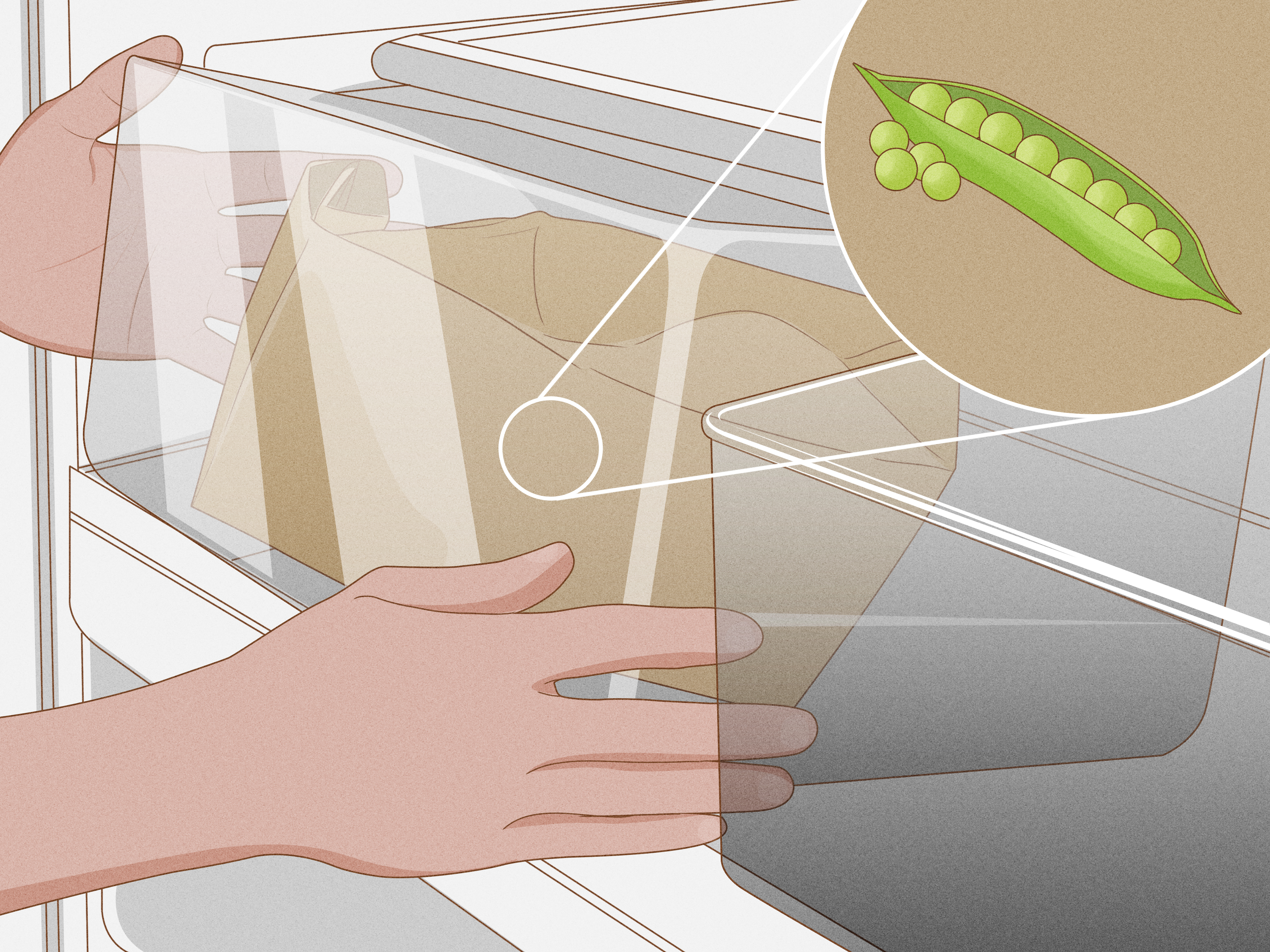
Harvest frequently, typically every 1-2 days, once the plants start producing. This encourages the plant to produce more flowers and, consequently, more pods, extending your harvest season. Freshly picked sugar snap peas are best eaten immediately. If you need to store them, keep them unwashed in a breathable bag in the refrigerator for up to a week. For longer storage, blanching and freezing is an excellent option.
Conclusion
Growing sugar snap peas is an incredibly satisfying endeavor, offering fresh, crunchy, and sweet pods that elevate any meal. From their easy cultivation requirements to their impressive nutritional profile, these delightful legumes are a must-have for any home gardener. By providing a sunny spot, rich soil, consistent moisture, and proper support, you'll be well on your way to a prolific harvest. So, gather your seeds, prepare your garden bed, and lets plant some sugar snap peas – you'll be enjoying the fruits of your labor in no time, savoring the true taste of homegrown goodness.
